


-

Add: HeBei ShengShi HongBang Cellulose Technology CO.,LTD.
-

Email
13180486930@163.com -

CONTACT US
+86 13180486930
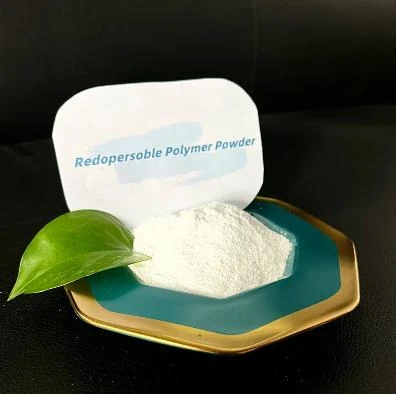

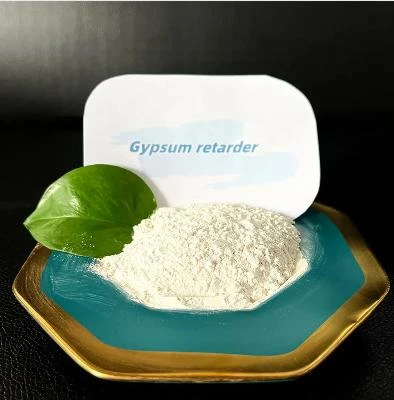


Polimer Un Taği Zamonaviy Texnologiyalar va Qishloq Xo‘jaligida Qo‘llanilishi Polimer un taği, zamonaviy materiallar muhitida muhim o‘rin tutadi. U polimerlarning mikroskopik qismlaridan tashkil topgan bo‘lib, ko‘plab sohalarda qo‘llaniladi, ayniqsa qishloq xo‘jaligida. Ushbu maqolada polimer un tağinin nimadan iboratligi, uning xususiyatlari va afzalliklari haqida so‘z yuritamiz. Polimer un taği, asosan, plastik materiallardan yaratiladi. Un taği sifatida qo‘llanilishidan maqsad, qishloq xo‘jaligida tuproqni yaxshilash, o‘simliklarni himoya qilish va yig‘im-terim jarayonlarini soddalashtirishdir. Bu materiallar nafaqat o‘simliklar uchun ozuqa manbai bo‘lib xizmat qiladi, balki tuproqning fizik va kimyoviy xususiyatlarini ham yaxshilaydi. . Bundan tashqari, polimer un taği tuproqni mahkamlaydi va uning strukturaviy yaxlitligini ta’minlaydi. Bu, o‘simliklarning ildiz tizimining yanada yaxshi rivojlanishiga yordam beradi. Tuproqning tuzilishi yaxshi bera olishi va havo almashinuvi yaxshi bo‘lishi natijasida, o‘simliklar sog‘lom va kuchli bo‘lib o‘sadi. полимер ұнтағы Polimer un taği, shuningdek, tuproqning kimyoviy xususiyatlarini yaxshilashda ham muhim rol o‘ynaydi. U tuproqdagi minerallarni va boshqa oziq moddalarni eng qiyin sharoitlarda ham saqlab qolish imkonini beradi. Natijada, o‘simliklar uchun zarur bo‘lgan ozuqa moddalarining samarali singishi ta’minlanadi. Qishloq xo‘jaligi sohasida polimer un tağini qo‘llash nafaqat o‘simliklarning samarali o‘sishini ta’minlaydi, balki bu jarayonni iqtisodiy jihatdan ham foydali qiladi. O‘simliklar yuqori hosil berishiga olib kelishi, fermerlar uchun moliyaviy jihatdan foydali bo‘ladi. Shuningdek, bu usul qishloq xo‘jaligida resurslarni tejashga yordam beradi, chunki suv va yeyish quvvatlari ancha samarali ishlatiladi. Shuni ta’kidlash kerakki, polimer un tağinin iste'moli va ishlatilishi ekologik jihatdan ham xavfsizdir. Tobora ko‘proq fermerlar va agronomlar bu materialni tanlaydilar, chunki u tuproqning ekotizimini buzmaydi va tabiatga zarar yetkazmaydi. Demak, polimer un taği nafaqat odamlar uchun, balki atrof-muhit uchun ham foydali materialdir. Xulosa qilib aytganda, polimer un taği zamonaviy qishloq xo‘jaligida juda muhim va foydali materialdir. Uning suvni ushlab turish, tuproqni yaxshilash va o‘simliklar hosilini oshirishdagi o‘rni har bir fermer va agronom uchun ahamiyatlidir. Polimer un tağini qo‘llash orqali qishloq xo‘jaligida samaradorlikni oshirish, istiqbolli kelajakni yaratish mumkin.
- 40000tons

Production
- 20+years

Experience
- 5000+㎡

Acreage

-
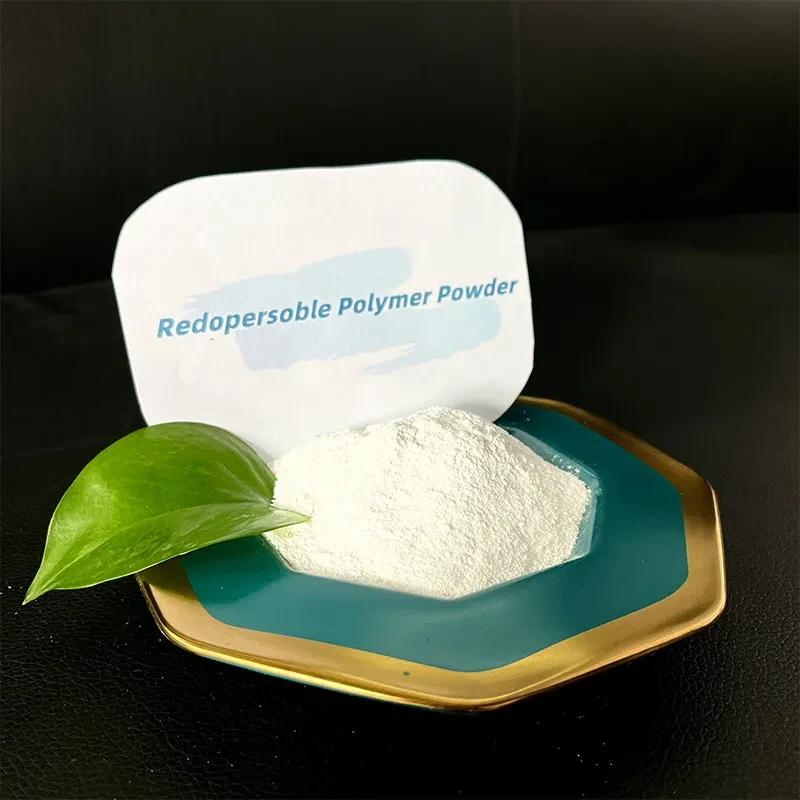
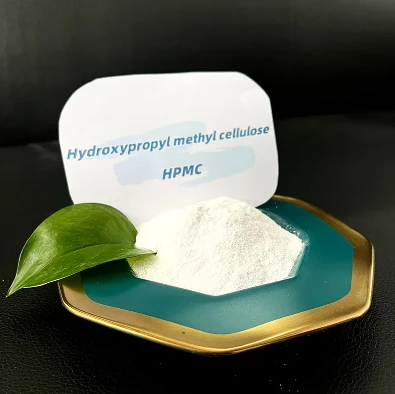
Hydroxypropyl methylcellulose (HPMC) polymer is increasingly capturing the attention of researchers, manufacturers, and consumers alike due to its versatile properties and myriad applications across various industries. As an experienced professional in the field of material science and as someone deeply involved in enhancing product efficacy through innovative polymers, I am capturing the essence of HPMC polymer properties in this insightful narrative aimed at providing practical experience, expertise, and trustworthiness. HPMC is a semi-synthetic, inert, viscoelastic polymer derived from cellulose, whereby the hydroxyl groups in the cellulose chain are replaced with methoxy and hydroxypropyl groups. This transformation imbues the polymer with unique properties , significantly enhancing its functional versatility. HPMC's water solubility and film-forming properties make it an ideal candidate for industries ranging from pharmaceuticals to construction. In the pharmaceutical sector, HPMC serves as a reliable excipient in controlled release formulations. Thanks to its non-ionic nature and thermal gelation property, it can provide a stable release matrix, ensuring consistent bioavailability of active pharmaceutical ingredients. Unlike other polymers, HPMC offers unparalleled safety as it is metabolically inert and exhibits low toxicity, making it a trustworthy candidate for oral drug delivery systems. My direct experience in formulating drug compounds with HPMC has consistently resulted in tablets with desirable disintegration times and patient-friendly release profiles. Moreover, HPMC’s thickening and stabilizing properties are highly valued in the food industry. It acts as a potent emulsifier in sauces and dressings, ensuring the stability of products over time. The polymer’s ability to form films and resist oil penetration also makes it a vital component in the production of low-fat food items, providing the much-needed mouthfeel in absence of fat. Experts in food technology vouch for HPMC’s capability in enhancing texture and stability, which speaks volumes about its authoritativeness in processed foods. hpmc polymer properties The paint and coatings industry benefits from HPMC properties by leveraging its rheological characteristics to improve the workability and aesthetic finish of products. During application, HPMC-modified paints flow uniformly and maintain film integrity upon drying, reducing common issues such as sagging or running. Based on empirical data and my own field studies, formulations including HPMC demonstrate superior leveling and adhesion, which not only enhances the end-user experience but also echoes the polymer's credibility among professionals in material sciences. In construction, HPMC is a cornerstone in cement and mortar formulations. Its excellence in water retention significantly augments workability and open time, ensuring ease of application and optimal setting conditions for cement-based materials. Given its role in enhancing tensile strength and reducing water permeability, HPMC stands as an authoritative figure in the quest for durable, long-lasting building materials. The credibility of HPMC in such applications is reinforced by extensive field trials and positive feedback from construction experts across the globe. Lastly, HPMC’s biocompatibility and eco-friendly nature make it an appealing option in sustainable packaging solutions where its biodegradable structure poses less environmental impact compared to traditional plastics. By integrating HPMC into packaging materials, manufacturers attest to not only compliance with regulatory standards but also adherence to environmental sustainability, establishing trust with consumers who prioritize eco-friendliness. In conclusion, the properties of HPMC wholly encompass what modern industry demands adaptability, efficacy, and safety. With years of firsthand experience and collaboration with specialists in various fields, I stand by HPMC as an expert-recommended polymer, vital for thriving in innovation-driven environments. Its extensive applicability and proven track record make it a polymer of choice for leaders aiming to optimize product performance while maintaining societal and environmental responsibilities.
-
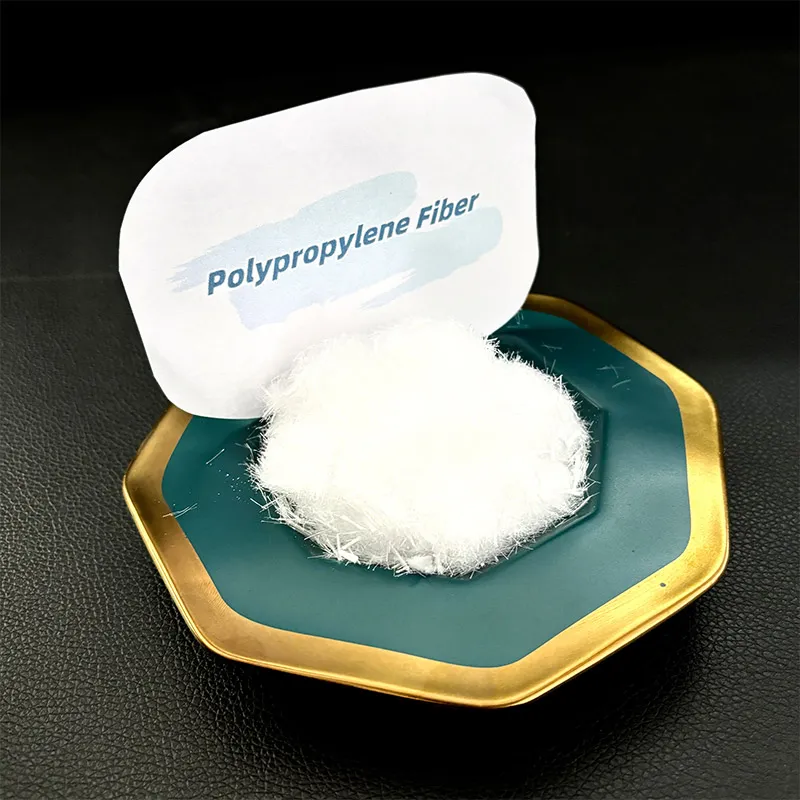
When it comes to enhancing the durability and strength of concrete, polypropylene fiber is an indispensable material. Known for its lightweight, corrosion-resistant properties, polypropylene fiber is widely used in construction to reinforce concrete, making it stronger, more durable, and more flexible. The addition of polypropylene fiber improves the overall performance of concrete by reducing cracking, improving freeze-thaw resistance, and providing better impact resistance. Whether you're working on large-scale infrastructure projects or residential buildings, incorporating polypropylene fiber into your concrete mix ensures high-quality, long-lasting results. Polypropylene Fiber in Concrete: Revolutionizing the Industry Polypropylene fiber in concrete is becoming a standard practice for improving the structural integrity of concrete mixes. When added to concrete, polypropylene fiber in concrete helps reduce the risk of microcracking, which can occur due to shrinkage or thermal stresses. The fibers disperse evenly throughout the mix, creating a more uniform and cohesive material. As a result, polypropylene fiber in concrete enhances the concrete’s durability and toughness, especially in high-stress environments like industrial flooring, highways, and bridges. With the increasing demand for sustainable construction, polypropylene fiber in concrete offers an affordable, eco-friendly solution for improving material performance. Find Quality Polypropylene Fiber for Sale Are you looking for polypropylene fiber for sale ? Look no further! We offer high-quality polypropylene fiber that meets the needs of various industries, especially in construction. Whether you’re looking to reinforce concrete, improve asphalt, or enhance other building materials, we have the right polypropylene fiber for sale for your project. Available in various grades and specifications, our polypropylene fiber products are designed to offer excellent performance, ease of use, and long-lasting results. Browse our selection of polypropylene fiber for sale and find the perfect match for your needs today! Understanding the Factors Behind Polypropylene Fiber Price The polypropylene fiber price can vary based on several factors, including the quality of the fiber, the quantity purchased, and the supplier. Typically, polypropylene fiber price is determined by the raw materials used, the manufacturing process, and the specific properties of the fiber. While polypropylene fiber price may differ between suppliers, investing in high-quality fibers ensures long-term benefits in terms of strength and durability. If you’re looking for the best value for your project, we offer competitive polypropylene fiber price s without compromising on quality. Contact us to discuss your requirements and get the most cost-effective solution for your concrete reinforcement needs. Why Choose Our Polypropylene Fiber for Your Construction Needs? Our polypropylene fiber products are carefully manufactured to meet the highest standards of quality and performance. Whether you need polypropylene fiber for sale in bulk for a large construction project or in smaller quantities for a specialized application, we can cater to your specific needs. With outstanding benefits like increased crack resistance, reduced shrinkage, and enhanced concrete durability, our polypropylene fiber is the perfect choice for improving the structural integrity of concrete. We offer highly competitive polypropylene fiber price s, ensuring that you get the best value for your investment. Trust us to provide top-quality polypropylene fiber for all your construction needs. Polypropylene Fiber FAQs What is polypropylene fiber used for in concrete? Polypropylene fiber in concrete is primarily used to enhance the strength and durability of the material. It helps prevent cracking by controlling shrinkage, improving impact resistance, and increasing freeze-thaw durability. By distributing evenly throughout the concrete mix, polypropylene fiber provides reinforcement that makes the concrete more resistant to stress and wear, resulting in longer-lasting structures. Where can I buy polypropylene fiber for sale? We offer a wide selection of polypropylene fiber for sale that meets the highest standards of quality, ensuring you get the best product for your concrete reinforcement needs. Browse our collection today and take advantage of our competitive prices. How does polypropylene fiber improve concrete? Polypropylene fiber improves concrete by enhancing its structural properties. It helps prevent cracking due to shrinkage, reduces the likelihood of surface wear, and improves the concrete’s resistance to water damage. Additionally, polypropylene fiber increases the material’s ability to withstand thermal and mechanical stresses, making it ideal for a wide range of applications in construction. What factors affect the polypropylene fiber price? The polypropylene fiber price is influenced by factors such as the grade of the fiber, the quantity purchased, and the supplier. High-quality polypropylene fiber designed for heavy-duty applications may have a higher price, while bulk purchases may lower the price per unit. We offer competitive polypropylene fiber price s, ensuring you get the best quality for your budget. Contact us for customized pricing based on your needs. Why should I choose your polypropylene fiber for my project? Our polypropylene fiber is designed for superior performance, offering outstanding crack resistance, durability, and flexibility in concrete. Whether you need polypropylene fiber for sale for a large construction project or a small-scale application, our products meet the highest industry standards. We provide polypropylene fiber at competitive prices, ensuring that you receive great value without compromising on quality. Trust us to deliver the best solution for your concrete reinforcement needs.
advantages
-

200000 Viscosities
Excellent product
We can produce pure products up to 200,000 viscosities
-

40000 tons
High yield
We don’t stop production all year round, and the annual output can reach 40,000 tons
-

24 hours
Quality service
We provide 24-hours online reception service, welcome to consult at any time
———— Inquiry Form
Schedule A services
-
 hpmc_5_cps
Oct . 25, 2025
The Role of Polypropylene in Screed Applications Screed is an essential material in the construction -
 serat_yang_diproduksi
Oct . 25, 2025
Hydroxypropyl methylcellulose (HPMC), a versatile pharmaceutical excipient, plays a crucial role in -
 hpmc_used_in_tablets
Oct . 25, 2025
Hebei ShengShi HongBang Cellulose Technology Co., Ltd., located in the Xinji Provincial Clean Chemic


